



Description
Li-Campeau syndrome is a condition that affects neurological and physical development. The signs and symptoms of Li-Campeau syndrome vary, but they often include:
- Developmental delays
- Intellectual disabilities
- Recurrent seizures (epilepsy)
- Decreased muscle tone (hypotonia)
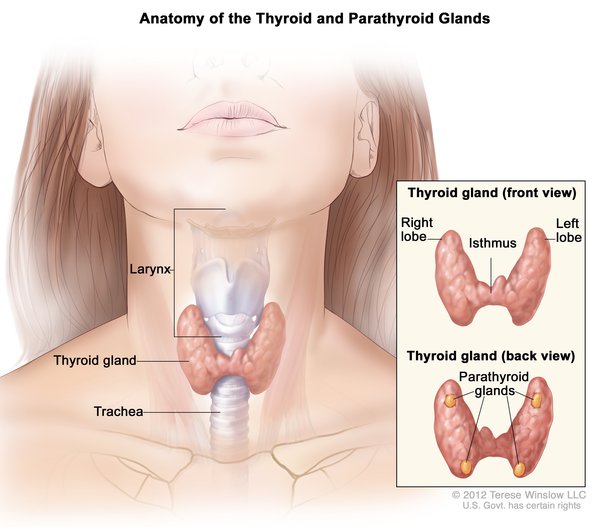
- Reduced thyroid
 function (hypothyroidism)
- Short stature
- Distinctive facial features
- Genital anomalies
- Heart defects that are present from birth (congenital)
The distinctive facial features in people with Li-Campeau syndrome can include a prominent forehead, widely spaced eyes (hypertelorism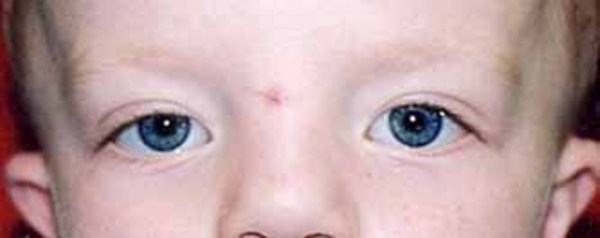 ), droopy eyelids (ptosis
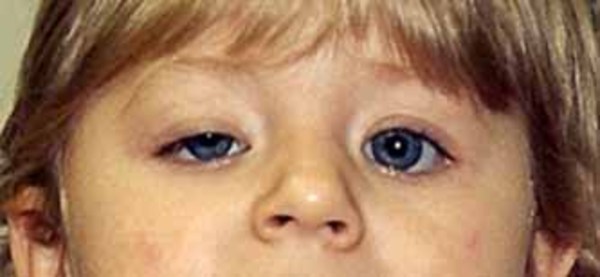 ), outside corners of the eyes that point downward (downslanting palpebral fissures), low-set ears, and a long space between the nose and the upper lip (philtrum
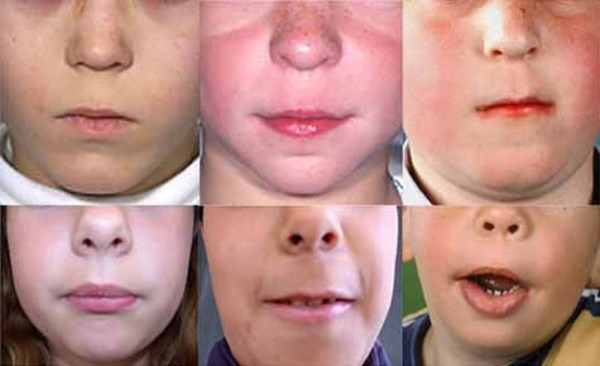 ).
Undescended testes (cryptorchidism) are the most common genital anomaly seen in boys and men with Li-Campeau syndrome. A small penis (micropenis) can also occasionally occur in people with this condition.
The congenital heart defects in people with Li-Campeau syndrome can include a hole between the two lower chambers of the heart (ventricular septal defect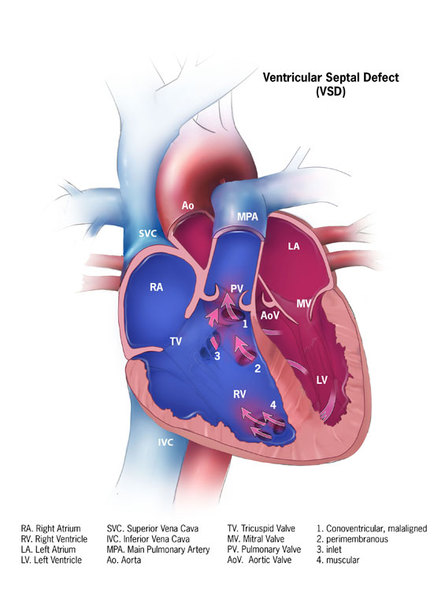 ), a hole between the two upper chambers of the heart (atrial septal defect
 ), a flap-like opening between the two upper chambers of the heart (patent foramen ovale), and an abnormal connection between two major arteries (patent ductus arteriosus).
Frequency
The prevalence of Li-Campeau syndrome is unknown, as only a few affected individuals have been reported in the scientific literature.
Causes
Genetic changes in the UBR7 gene cause Li-Campeau syndrome. These changes are called pathogenic variants. The UBR7 gene provides instructions for making an enzyme that is involved in a process known as the ubiquitin-proteasome system. This process acts as the cell's quality control system by disposing of damaged, misshapen, and excess proteins. By breaking down proteins at the right time, this system regulates the timing of critical cell activities, such as cell growth and division. The UBR7 enzyme helps to flag the proteins that need to be broken down based on the presence of specific protein building blocks (amino acids) at the end of the protein sequence.
The UBR7 enzyme is thought to play an important role in regulating proteins during early development. In particular, the UBR7 enzyme may be involved in the Notch signaling pathway, which controls how certain types of cells develop before birth, including those that form the bones, heart, muscles, nerves, and blood vessels.
Pathogenic variants in the UBR7 gene prevent cells from making functional UBR7 enzymes. While it is unclear exactly how an altered UBR7 enzyme leads to the signs and symptoms of Li-Campeau syndrome, it is possible that disruptions in Notch signaling before birth lead to the intellectual disabilities, congenital heart defects, and other developmental problems seen in people with Li-Campeau syndrome.
Inheritance
Li-Campeau syndrome is inherited in an autosomal recessive pattern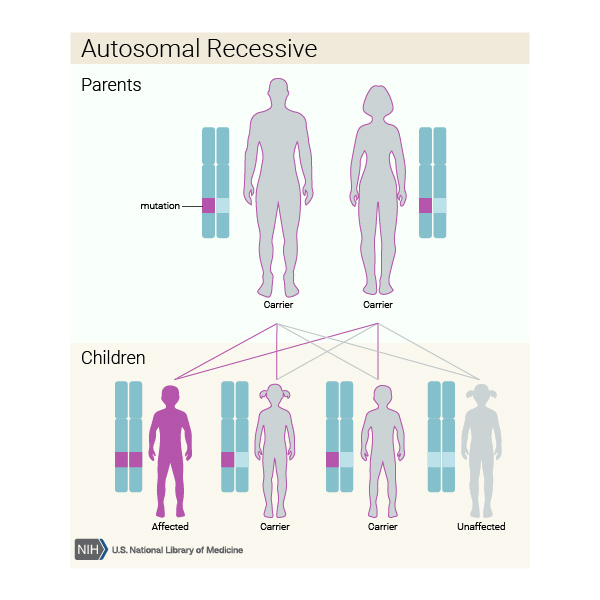 , which means both copies of the gene in each cell must have a pathogenic variant to cause the disorder. The parents of an individual with an autosomal recessive condition each carry one copy of the altered gene, but they typically do not show signs and symptoms of the condition.
Other Names for This Condition
- LICAS
Additional Information & Resources
Genetic Testing Information

Patient Support and Advocacy Resources
Clinical Trials
Catalog of Genes and Diseases from OMIM
Scientific Articles on PubMed
References
- Edizadeh M, Kaymakcalan H, Valilou SF, Sahin Y. Eighth case of Li-Campeau syndrome in a Turkish patient caused by a novel pathogenic variant in UBR7 and expanding the phenotype. Am J Med Genet A. 2023 May;191(5):1465-1469. doi: 10.1002/ajmg.a.63146. Epub 2023 Feb 9. Citation on PubMed
- Li B, Zhou Y, Che F, Zhou R, Mo L, Zhang L, Wang G, Yang Y. Establishment of a novel human induced pluripotent stem cell line (SIPDi001-A) with compound heterozygous mutations in the UBR7 gene from a Li-Campeau syndrome patient. Stem Cell Res. 2023 Sep;71:103165. doi: 10.1016/j.scr.2023.103165. Epub 2023 Jul 9. Citation on PubMed
- Li C, Beauregard-Lacroix E, Kondratev C, Rousseau J, Heo AJ, Neas K, Graham BH, Rosenfeld JA, Bacino CA, Wagner M, Wenzel M, Al Mutairi F, Al Deiab H, Gleeson JG, Stanley V, Zaki MS, Kwon YT, Leroux MR, Campeau PM. UBR7 functions with UBR5 in the Notch signaling pathway and is involved in a neurodevelopmental syndrome with epilepsy, ptosis, and hypothyroidism. Am J Hum Genet. 2021 Jan 7;108(1):134-147. doi: 10.1016/j.ajhg.2020.11.018. Epub 2020 Dec 18. Citation on PubMed
The information on this site should not be used as a substitute for professional medical care or advice. Contact a health care provider if you have questions about your health.