



Description
Grange syndrome is a rare condition that primarily affects blood vessels. It is characterized by narrowing (stenosis) or blockage (occlusion) of arteries that supply blood to various organs and tissues. The arteries that are affected can include:
- Cerebral arteries, which supply blood to the brain
- Carotid arteries, which supply blood to the head and face
- Renal arteries, which supply blood to the kidneys
- Abdominal arteries, which supply blood to the trunk and lower half of the body
- Coronary arteries, which supply oxygen-rich blood to the heart
In about half of individuals with Grange syndrome, stenosis or occlusion of the cerebral arteries prevents blood flow to the brain (ischemic stroke). About 20 percent of people with Grange syndrome will have bleeding in the brain (hemorrhagic stroke). In many affected individuals, stenosis or occlusion of the carotid arteries can also lead to strokes.
People with Grange syndrome typically have stenosis or occlusion of the renal arteries that results in chronic high blood pressure (hypertension).
Occlusion or stenosis of the abdominal arteries can cause gastrointestinal problems, such as pain, diarrhea, or constipation, in individuals with Grange syndrome.
People with Grange syndrome can experience chest pain and shortness of breath caused by occlusion or stenosis of the coronary arteries.
Depending on the severity of the blood vessel problems in affected individuals, the signs and symptoms of Grange syndrome can appear anytime from early childhood to mid-adulthood.
Most people with Grange syndrome also have bone abnormalities, such as short fingers and toes
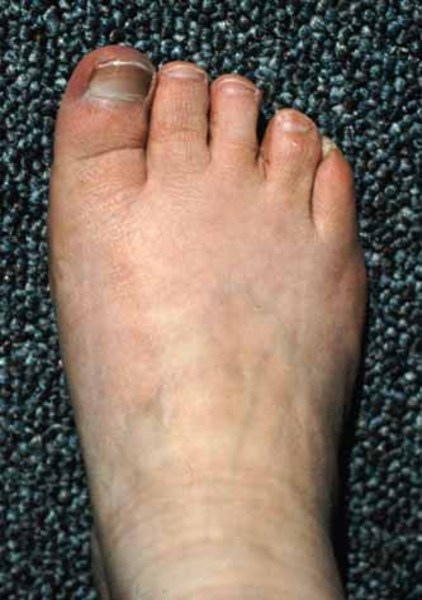 (brachydactyly), fused fingers
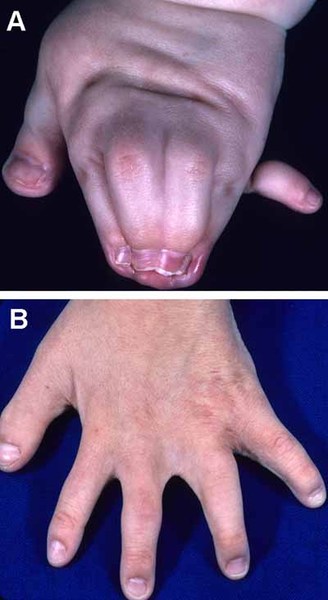 or toes (syndactyly), bones that are prone to breakage, a mild curvature of the spine (scoliosis
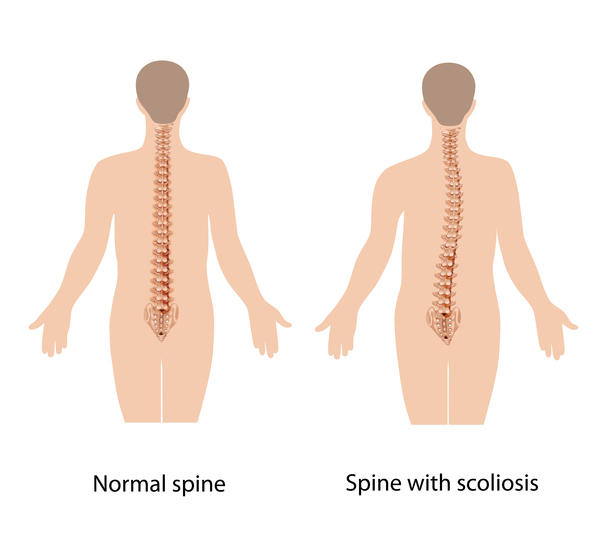 ), or flat feet (pes planus
 ).
).
Many affected individuals also have heart defects that are present from birth (congenital cardiac anomalies). Women with Grange syndrome may have difficulty carrying a pregnancy to term.
Learning disabilities can occur in people with Grange syndrome. It is unclear whether the learning disabilities are an independent feature of Grange syndrome or if they occur because of the blood flow issues in the brain.
Frequency
Grange syndrome is a rare condition; it has been reported to affect at least 32 individuals from 16 families.
Causes
Genetic changes that cause disease are called pathogenic variants. Grange syndrome is caused by pathogenic variants in the YY1AP1 gene. The protein produced from the YY1AP1 gene is part of a group of proteins (a complex) that helps regulate several critical functions within cells. These include gene activity (expression), cell maturation (differentiation), and cell growth and division (proliferation). Researchers believe that this protein complex plays a particularly important role in the development of bones and of smooth muscle cells, which line the walls of blood vessels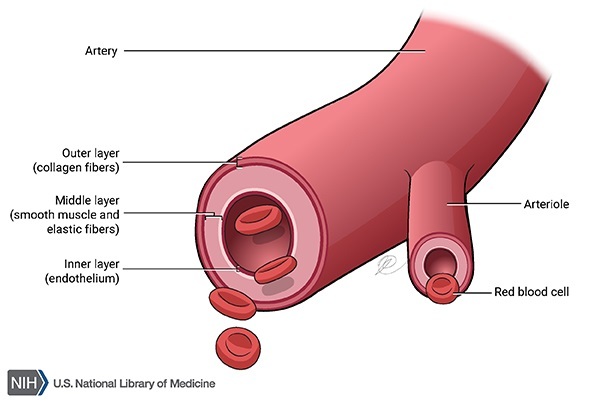 .
.
Pathogenic variants in the YY1AP1 gene cause cells to make a version of the protein that does not function properly. This abnormal protein likely disrupts the function of the protein complex, which leads to reduced differentiation of smooth muscle cells. As a result, blood vessel walls do not develop normally, leading to stenosis and occlusion. Similarly, impaired differentiation of bone cells likely contributes to the bone abnormalities seen in people with Grange syndrome.
Inheritance
This condition is inherited in an autosomal recessive pattern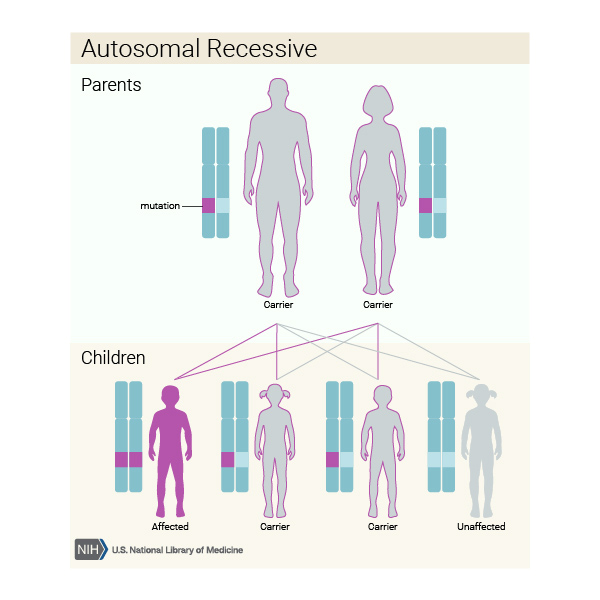 , which means both copies of the gene in each cell must have a variant to cause the disorder. The parents of an individual with an autosomal recessive condition each carry one copy of the altered gene, but they typically do not show signs and symptoms of the condition.
Other Names for This Condition
- Arterial occlusive disease, progressive, with hypertension, heart defects, bone fragility, and brachysyndactyly
- Grange occlusive arterial syndrome
Additional Information & Resources
Genetic Testing Information

Patient Support and Advocacy Resources
Catalog of Genes and Diseases from OMIM
Scientific Articles on PubMed
References
- Akalin A, Oz V, Pinarbasi AS, Ozalkak S, Karaca MS, Yildirim R. A Novel YY1AP1 Variant in Grange Syndrome: Clinical and Molecular Findings in Eight Individuals With a Dual Molecular Diagnosis Involving CLMP in One Patient. Am J Med Genet A. 2026 Sep;200(9):2036-2051. doi: 10.1002/ajmg.a.70170. Epub 2026 Apr 17. Citation on PubMed
- Ciuffetelli Alamo IV, Kwartler CS, Regalado ER, Afifi RO, Parkash S, Rideout A, Guo DC, Milewicz DM. Grange syndrome due to homozygous YY1AP1 missense rare variants. Am J Med Genet A. 2019 Dec;179(12):2500-2505. doi: 10.1002/ajmg.a.61379. Epub 2019 Oct 21. Citation on PubMed
- Guo DC, Duan XY, Regalado ES, Mellor-Crummey L, Kwartler CS, Kim D, Lieberman K, de Vries BBA, Pfundt R, Schinzel A, Kotzot D, Shen X, Yang ML; University of Washington Center for Mendelian Genomics; Bamshad MJ, Nickerson DA, Gornik HL, Ganesh SK, Braverman AC, Grange DK, Milewicz DM. Loss-of-Function Mutations in YY1AP1 Lead to Grange Syndrome and a Fibromuscular Dysplasia-Like Vascular Disease. Am J Hum Genet. 2017 Jan 5;100(1):21-30. doi: 10.1016/j.ajhg.2016.11.008. Epub 2016 Dec 8. Citation on PubMed or Free article on PubMed Central
- Karakaya T, Turkyilmaz A, Eris D, Kaya M, Oksuz K, Eryigit MA, Gonen G. The New Youngest Case of Grange Syndrome with a Novel Biallelic Pathogenic Variant in YY1AP1. Mol Syndromol. 2023 Jun;14(3):239-245. doi: 10.1159/000527785. Epub 2023 Jan 26. Citation on PubMed
- Saida K, Kim CA, Ceroni JRM, Bertola DR, Honjo RS, Mitsuhashi S, Takata A, Mizuguchi T, Miyatake S, Miyake N, Matsumoto N. Hemorrhagic stroke and renovascular hypertension with Grange syndrome arising from a novel pathogenic variant in YY1AP1. J Hum Genet. 2019 Sep;64(9):885-890. doi: 10.1038/s10038-019-0626-0. Epub 2019 Jul 4. Citation on PubMed
- Unsel-Bolat G, Tezcan N, Genc-Akdag D, Gerik-Celebi HB, Tezcan A, Bolat H. A novel compound heterozygous YY1AP1 variant in Grange syndrome: importance of early signs in preventing life-threatening vascular complications. J Hum Genet. 2026 Aug;71(8):485-492. doi: 10.1038/s10038-026-01471-0. Epub 2026 Mar 26. Citation on PubMed
- Volonghi I, Frigerio M, Mardighian D, Gasparotti R, Del Zotto E, Giossi A, Costa P, Poli L, Jeannin G, Gregorini GA, Padovani A, Pezzini A. Grange syndrome: an identifiable cause of stroke in young adults. Am J Med Genet A. 2012 Nov;158A(11):2894-8. doi: 10.1002/ajmg.a.35593. Epub 2012 Sep 17. Citation on PubMed
The information on this site should not be used as a substitute for professional medical care or advice. Contact a health care provider if you have questions about your health.