



Description
Geleophysic dysplasia is an inherited condition that is characterized by short stature, thickened skin, joint abnormalities, distinctive facial features, and heart (cardiac) problems. The features and the severity of geleophysic dysplasia can vary among affected individuals.
People with geleophysic dysplasia have short stature with especially small hands and feet. A thickening of the skin combined with joint deformities (contractures) can limit movement in the joints, especially in the fingers and wrists. Contractures in the legs and hips may cause people with geleophysic dysplasia to walk on their toes. The joint abnormalities seen in affected individuals typically worsen over time.
Geleophysic dysplasia gets its name from the Greek words for happy ("gelios") and nature ("physis") and is derived from the good-natured facial appearance seen in many affected individuals. The distinctive facial features that are associated with this condition include a round face with full cheeks, a small nose with upturned nostrils, a broad nasal bridge, a thin upper lip, upturned corners of the mouth, and a flattened area between the upper lip and the nose (philtrum).
People with geleophysic dysplasia often have cardiac problems. Abnormalities of the valves that control the flow of blood through the heart (cardiac valves) are especially common. In affected individuals, the cardiac valves may thicken, which can block blood flow and increase pressure in the heart. These cardiac valve problems can worsen over time. In some cases, people with geleophysic dysplasia have a narrowing of the artery from the heart to the lungs (pulmonary stenosis) or a hole between the two upper chambers of the heart (atrial septal defect).

Approximately one third of individuals with geleophysic dysplasia have an abnormality of the windpipe (trachea) or voice box (larynx) that can cause serious breathing problems. These airway problems can also worsen over time. Some affected individuals have recurrent respiratory infections. About one third of people with geleophysic dysplasia do not survive past early childhood due to serious cardiac or respiratory problems.
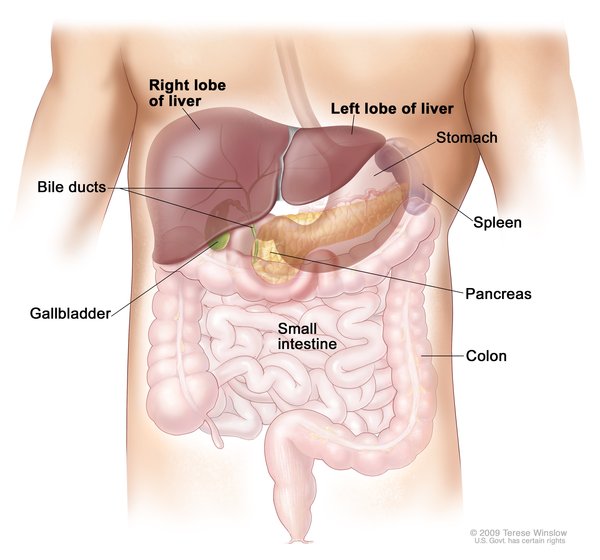
Other features of geleophysic dysplasia can include an enlarged liver (hepatomegaly) and recurrent ear infections, which can lead to hearing loss in some affected individuals.
Frequency
Geleophysic dysplasia is a rare disorder. Although the exact number of people with this condition is unknown, more than 100 affected individuals have been reported in the medical literature.
Causes
Variants (also called mutations) in multiple genes can cause geleophysic dysplasia. Variants in the ADAMTSL2 and FBN1 genes are the most common causes of this condition.
The ADAMTSL2 and FBN1 genes provide instructions for making proteins that are found in the extracellular matrix, which is the intricate lattice of proteins and other molecules that forms in the spaces between cells. Within the extracellular matrix, the ADAMTSL2 and FBN1 proteins appear to be involved with the microfibrillar network, which is an organized arrangement of thread-like filaments (microfibrils) that allows tissues to be strong and flexible.
Although the exact function of the ADAMTSL2 protein is unclear, studies suggest that it may help the FBN1 protein maintain the microfibrillar network. These proteins also appear to regulate the availability of certain growth factor proteins within the microfibrillar network. These growth factors play a key role in cell growth and division (proliferation), the process by which cells mature to carry out specific functions (differentiation), and cell survival.
Variants in the ADAMTSL2 and FBN1 genes cause cells to produce proteins that do not function properly. Through a poorly understood process, these altered proteins disrupt the organization of the microfibrillar network in various tissues, which impairs normal cell functioning. The altered proteins also impair the activity of certain growth factors. Researchers are working to learn exactly how variants in these two genes lead to the specific signs and symptoms seen in people with geleophysic dysplasia.
Inheritance
Geleophysic dysplasia is inherited in different ways depending on the particular gene involved.
When geleophysic dysplasia is caused by variants in the FBN1 gene, it is inherited in an autosomal dominant pattern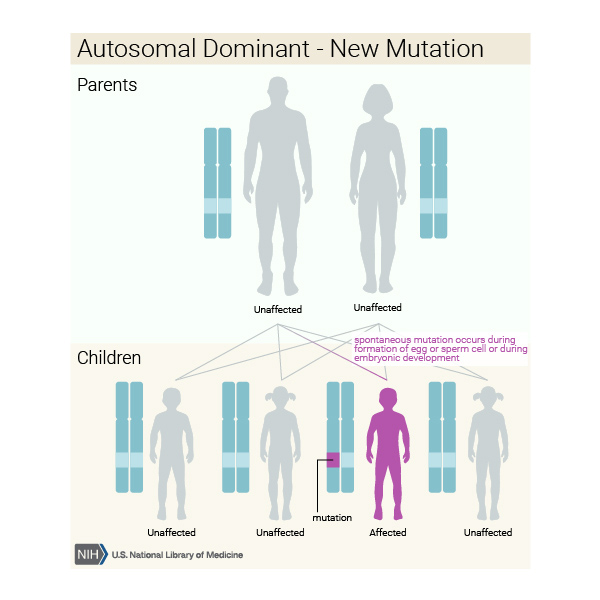 , which means one copy of the altered gene in each cell is sufficient to cause the disorder. Some cases of geleophysic dysplasia result from new (de novo) variants in the gene that occur during the formation of reproductive cells (eggs or sperm) in an affected individual's parent or during early embryonic development.
When geleophysic dysplasia is caused by variants in the ADAMTSL2 gene, it is inherited in an autosomal recessive pattern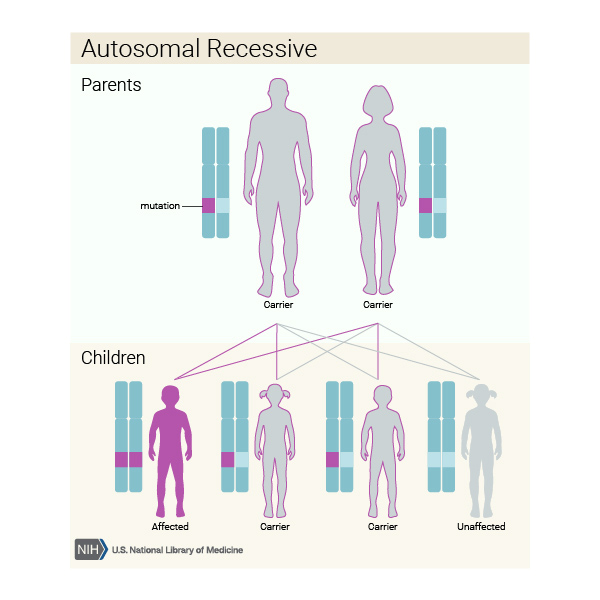 , which means both copies of the gene in each cell must have a variant to cause the disorder. The parents of an individual with an autosomal recessive condition each carry one copy of the altered gene, but they typically do not show signs and symptoms of the condition.
Other Names for This Condition
- Geleophysic dwarfism
Additional Information & Resources

Genetic and Rare Diseases Information Center
Patient Support and Advocacy Resources
Catalog of Genes and Diseases from OMIM
Scientific Articles on PubMed
References
- Globa E, Zelinska N, Dauber A. The Clinical Cases of Geleophysic Dysplasia: One Gene, Different Phenotypes. Case Rep Endocrinol. 2018 Jul 3;2018:8212417. doi: 10.1155/2018/8212417. eCollection 2018. Citation on PubMed
- Le Goff C, Morice-Picard F, Dagoneau N, Wang LW, Perrot C, Crow YJ, Bauer F, Flori E, Prost-Squarcioni C, Krakow D, Ge G, Greenspan DS, Bonnet D, Le Merrer M, Munnich A, Apte SS, Cormier-Daire V. ADAMTSL2 mutations in geleophysic dysplasia demonstrate a role for ADAMTS-like proteins in TGF-beta bioavailability regulation. Nat Genet. 2008 Sep;40(9):1119-23. doi: 10.1038/ng.199. Citation on PubMed or Free article on PubMed Central
- Legare JM, Modaff P, Strom SP, Pauli RM, Bartlett HL. Geleophysic dysplasia: 48 year clinical update with emphasis on cardiac care. Am J Med Genet A. 2018 Nov;176(11):2237-2242. doi: 10.1002/ajmg.a.40377. Epub 2018 Sep 8. Citation on PubMed
- Marzin P, Cormier-Daire V. Geleophysic Dysplasia. 2009 Sep 22 [updated 2024 Mar 28]. In: Adam MP, Bick S, Mirzaa GM, Wallace SE, Amemiya A, editors. GeneReviews(R) [Internet]. Seattle (WA): University of Washington, Seattle; 1993-2026. Available from http://www.ncbi.nlm.nih.gov/books/NBK11168/ Citation on PubMed
- Marzin P, Thierry B, Dancasius A, Cavau A, Michot C, Rondeau S, Baujat G, Phan G, Bonniere M, Le Bourgeois M, Khraiche D, Pejin Z, Bonnet D, Delacourt C, Cormier-Daire V. Geleophysic and acromicric dysplasias: natural history, genotype-phenotype correlations, and management guidelines from 38 cases. Genet Med. 2021 Feb;23(2):331-340. doi: 10.1038/s41436-020-00994-x. Epub 2020 Oct 21. Citation on PubMed
- McInerney-Leo AM, Le Goff C, Leo PJ, Kenna TJ, Keith P, Harris JE, Steer R, Bole-Feysot C, Nitschke P, Kielty C, Brown MA, Zankl A, Duncan EL, Cormier-Daire V. Mutations in LTBP3 cause acromicric dysplasia and geleophysic dysplasia. J Med Genet. 2016 Jul;53(7):457-64. doi: 10.1136/jmedgenet-2015-103647. Epub 2016 Apr 11. Citation on PubMed
- Piccolo P, Sabatino V, Mithbaokar P, Polishchuck E, Law SK, Magraner-Pardo L, Pons T, Polishchuck R, Brunetti-Pierri N. Geleophysic dysplasia: novel missense variants and insights into ADAMTSL2 intracellular trafficking. Mol Genet Metab Rep. 2019 Sep 5;21:100504. doi: 10.1016/j.ymgmr.2019.100504. eCollection 2019 Dec. Citation on PubMed
- Shohat M, Gruber HE, Pagon RA, Witcoff LJ, Lachman R, Ferry D, Flaum E, Rimoin DL. Geleophysic dysplasia: a storage disorder affecting the skin, bone, liver, heart, and trachea. J Pediatr. 1990 Aug;117(2 Pt 1):227-32. doi: 10.1016/s0022-3476(05)80534-7. Citation on PubMed
- Wraith JE, Bankier A, Chow CW, Danks DM, Sardharwalla IB. Geleophysic dysplasia. Am J Med Genet. 1990 Feb;35(2):153-6. doi: 10.1002/ajmg.1320350202. Citation on PubMed
The information on this site should not be used as a substitute for professional medical care or advice. Contact a health care provider if you have questions about your health.